Manchester, CT: The Best Exercises for Lower Back Pain — According to a Physical Therapist
Lower back pain is one of the most common issues I treat here in Manchester, CT, especially among active adults, busy parents, and postpartum women trying to get back to feeling strong. When your back hurts, everything feels harder—lifting your kids, working out, sitting at your desk, even getting comfortable at night.
The good news? You don’t always need a long, complicated routine to start feeling relief.
Sometimes, a couple of exercises can begin calming things down and restoring healthy movement.
At Flow Free Physical Therapy & Performance, these are the top three exercises I often start patients with when they come in with lower back pain.
1. Press-Ups (Prone Lumbar Extensions)
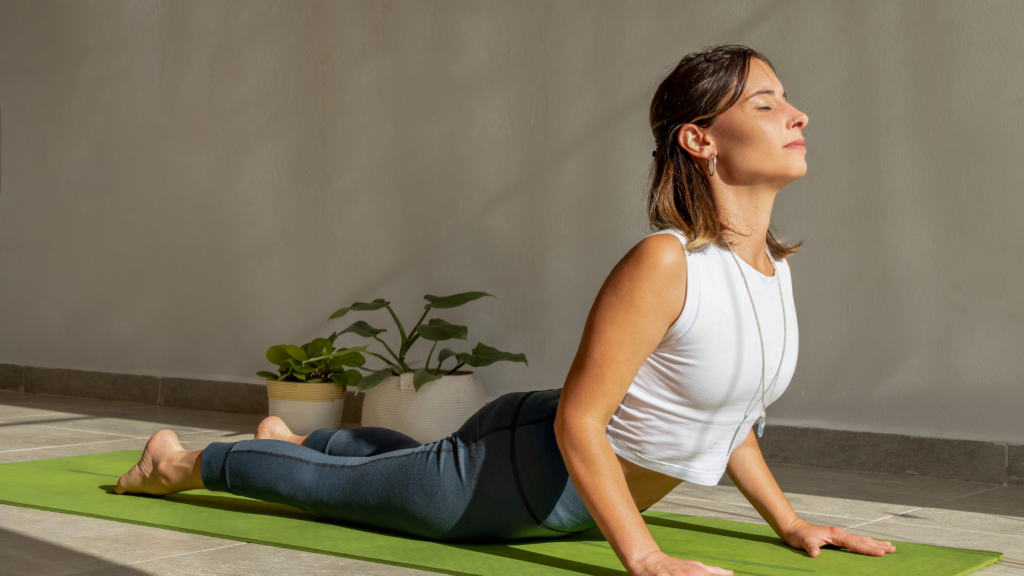
Best for: disc-related pain, stiffness from sitting, bending pain
Press-ups are one of my go-to exercises for anyone whose pain increases when bending forward or sitting for long hours—two of the top triggers I see in clinic.
How to do it:
Lie on your stomach with your hands under your shoulders.
Gently press your upper body up, keeping your hips on the floor.
Pause at the top for 1–2 seconds.
Lower slowly.
Repeat 10 times.
Why it helps:
Press-ups restore extension through the lumbar spine, help reduce pressure on irritated discs, and calm down stiffness caused by prolonged sitting or slouched posture.
2. Quadruped Pelvic Tilts
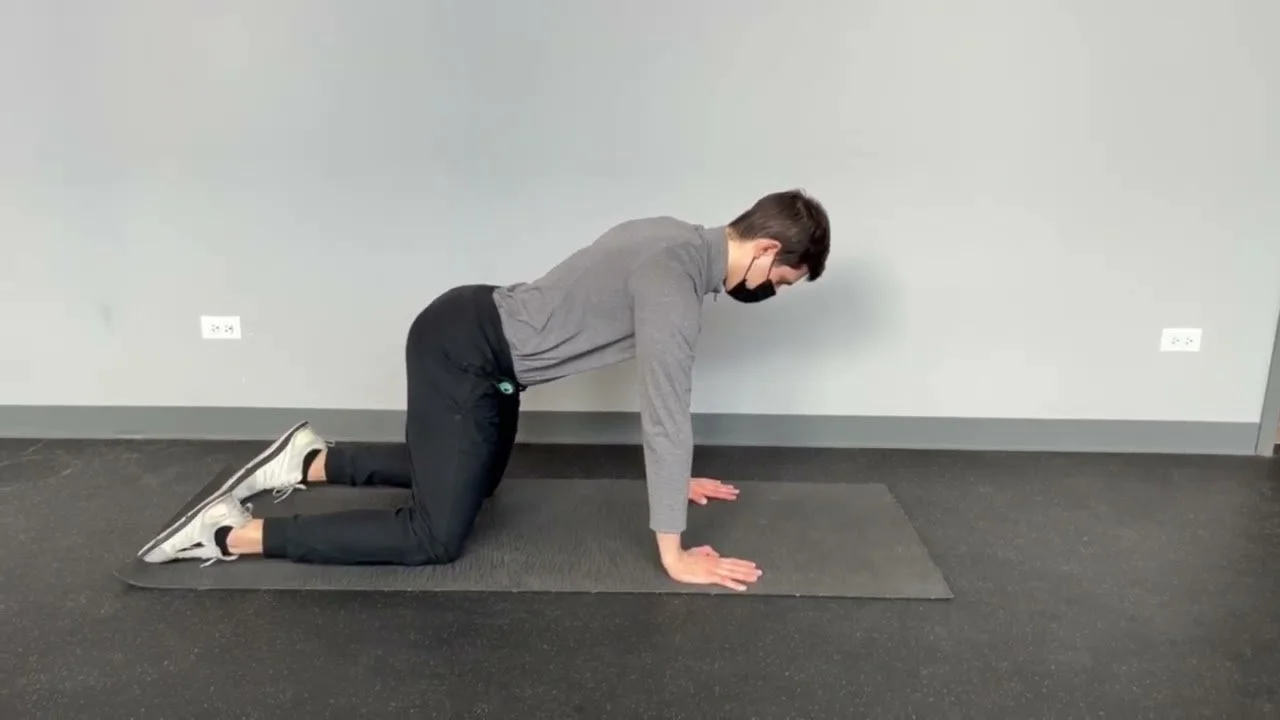
Best for: general stiffness, postpartum core retraining, movement coordination
This gentle exercise reconnects your spine, core, and pelvis—making it especially helpful for postpartum recovery or for anyone whose back feels “locked up.”
How to do it:
Start on hands and knees.
Slowly arch your lower back by tipping your pelvis forward.
Then round your lower back by tucking your tailbone under.
Move smoothly and avoid forcing the motion.
Repeat 10–15 reps.
Why it helps:
Quadruped pelvic tilts restore natural segmental movement in the spine. They gently reduce muscle guarding and help retrain the deep core and pelvic stabilizers that support your back throughout the day.
3. Bridge
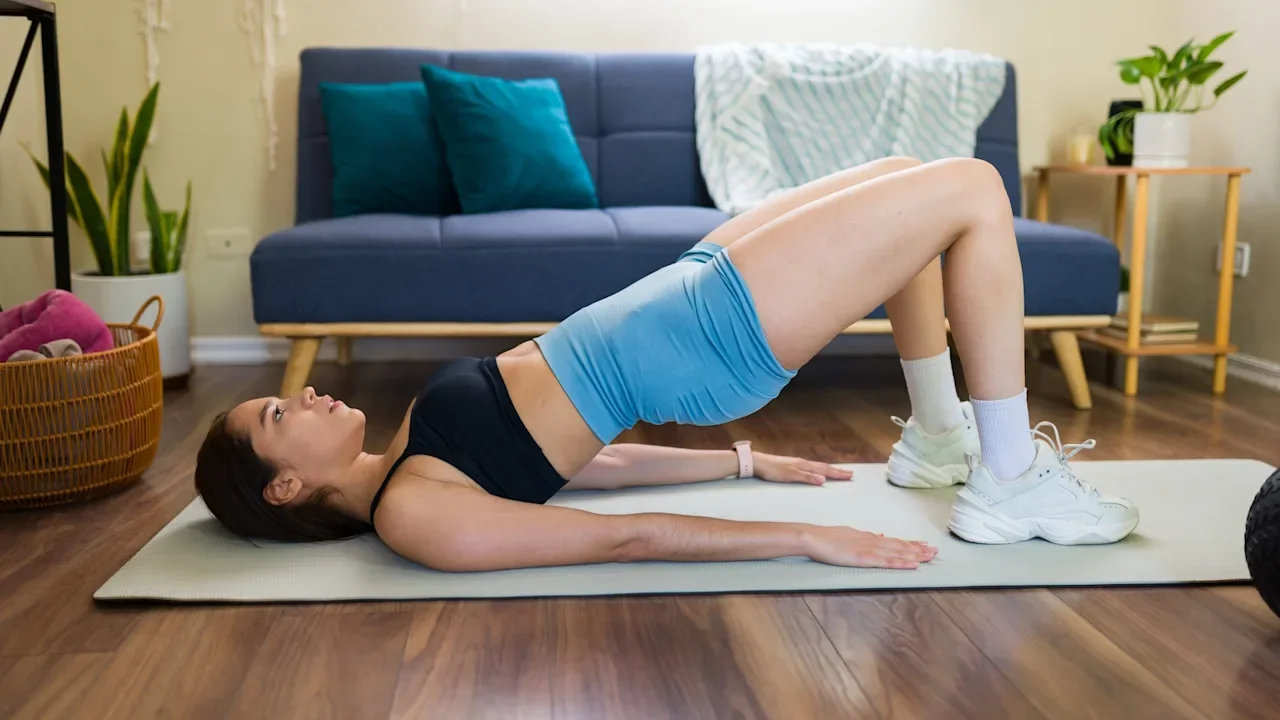
Best for: weak glutes, SI joint discomfort, stability during daily activities
So many people with back pain have underactive glutes. Bridges wake up these important support muscles and help take pressure off the lower back.
How to do it:
Lie on your back with your knees bent and feet hip-width apart.
Press through your heels to lift your hips.
Squeeze your glutes at the top for 2–3 seconds.
Lower with control.
Repeat 10–15 reps.
Why it helps:
Glute strength directly reduces strain on the lower back. Bridges improve pelvic stability, support your spine, and make everyday tasks like lifting, bending, and carrying far more comfortable.
When to See a Physical Therapist in Manchester, CT
These exercises are safe for many people, but if your pain:
doesn’t improve after 1–2 weeks,
shoots down your leg,
keeps returning, or
is keeping you from enjoying things you love
…it’s time for a personalized plan.
At Flow Free Physical Therapy & Performance, I help you uncover the root cause of your pain—not just treat symptoms. You get one-on-one care, a full body movement assessment, and a program tailored to your needs and lifestyle.
Ready to Feel Better?
If you’re in Manchester, CT and dealing with lower back pain, I’d love to help you move with confidence again.