Dry Needling: What It Is, How It Works, and Why It Helps Relieve Pain Faster
If you’ve been dealing with muscle tightness, chronic pain, or stubborn injuries that won’t go away, you may have heard about dry needling.
Dry needling is a highly effective treatment used by physical therapists to release muscle tension, reduce pain, and restore movement quickly. Many patients feel relief after just one session.
In this article we’ll cover:
• What dry needling is
• How it works
• What it feels like
• The conditions it can help
• Whether dry needling is right for you
What Is Dry Needling?
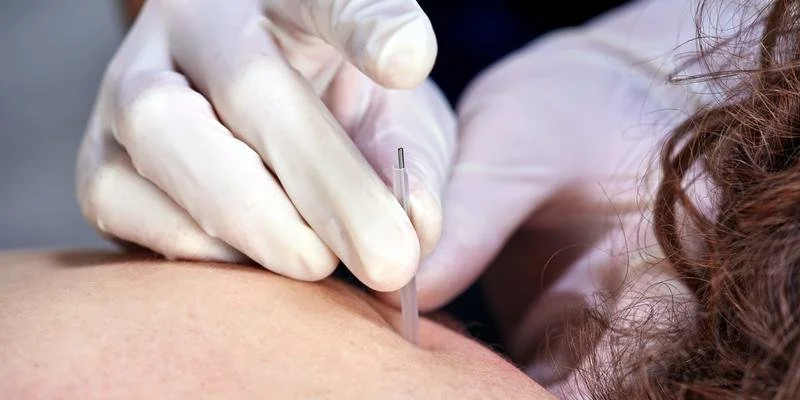
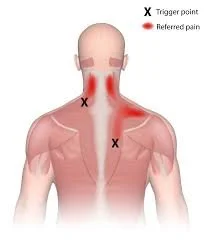
Dry needling is a treatment technique where a physical therapist inserts a very thin, sterile needle into tight muscle bands known as trigger points.
These trigger points are often responsible for:
• Muscle pain
• Limited mobility
• Headaches
• Referred pain patterns
• Chronic tightness
By inserting the needle into these areas, the muscle releases, resets, and relaxes, which improves blood flow and reduces pain.
Unlike injections, nothing is injected into the muscle, which is why it is called “dry” needling.
How Does Dry Needling Work?
When a needle reaches a trigger point, the muscle may create a small twitch response. This is actually a good sign.
This response helps:
• Release tight muscle fibers
• Improve circulation
• Reduce inflammation
• Reset the nervous system
• Restore normal muscle function
Many patients notice immediate improvement in mobility and pain levels after treatment.
What Does Dry Needling Feel Like?
One of the most common questions people ask is:
“Does dry needling hurt?”
Most patients describe the sensation as:
• A quick muscle twitch
• Mild cramping
• Pressure in the muscle
The needles themselves are extremely thin, and many people are surprised at how comfortable the treatment is.
After treatment you may feel:
• Looser muscles
• Improved movement
• Mild soreness (similar to a workout)
The soreness usually fades within 24–48 hours.
Conditions Dry Needling Can Help
Dry needling is extremely effective for many musculoskeletal conditions including:
Neck Pain
Tight upper traps, tech neck, tension headaches
Back Pain
Muscle spasms, chronic stiffness
Shoulder Pain
Rotator cuff injuries, shoulder impingement
Hip Pain
Glute tightness, piriformis syndrome
Tennis Elbow / Golfer’s Elbow
Sciatica
Plantar Fasciitis
Sports Injuries
It is especially helpful for muscle pain that hasn’t improved with stretching, massage, or exercise alone.
Dry Needling vs Acupuncture
Although they use similar needles, dry needling and acupuncture are different treatments.
Dry NeedlingAcupunctureBased on modern anatomyBased on traditional Chinese medicineTargets muscle trigger pointsTargets energy meridiansUsed to treat musculoskeletal painUsed for overall wellness
Dry needling is typically performed by physical therapists trained in orthopedic and sports medicine.
Why People Choose Dry Needling
Many patients choose dry needling because it can:
✔ Reduce pain quickly
✔ Improve range of motion
✔ Release stubborn muscle tension
✔ Speed up injury recovery
✔ Help other treatments work better
When combined with targeted exercise and physical therapy, the results can be even more powerful.
Is Dry Needling Right For You?
Dry needling may be a great option if you:
• Have persistent muscle tightness
• Experience chronic pain or trigger points
• Feel limited in movement
• Haven’t gotten relief from stretching or massage
A physical therapist can evaluate your movement, identify trigger points, and determine if dry needling is the right treatment for you.
Schedule a Dry Needling Session
If you're dealing with muscle pain, tightness, or injury, dry needling may help you get back to moving and feeling your best.
At Flow Free PT, we use dry needling alongside personalized physical therapy to help patients recover faster and move better.
👉 Schedule an evaluation today to see if dry needling is right for you.